Professional Brake Inspection in Chicago, IL

  • ASE-Certified Techs
  • Same-day diagnostics
  • Warranty-backed repairs
  • Financing available

Every time you hit the brakes in heavy Chicago traffic, you are trusting a complex system of hydraulics and friction to bring thousands of pounds of metal to a safe stop. When that system starts making high-pitched squeals, harsh grinding noises, or your pedal simply doesn't feel right, ignoring the warning signs is never the right move.

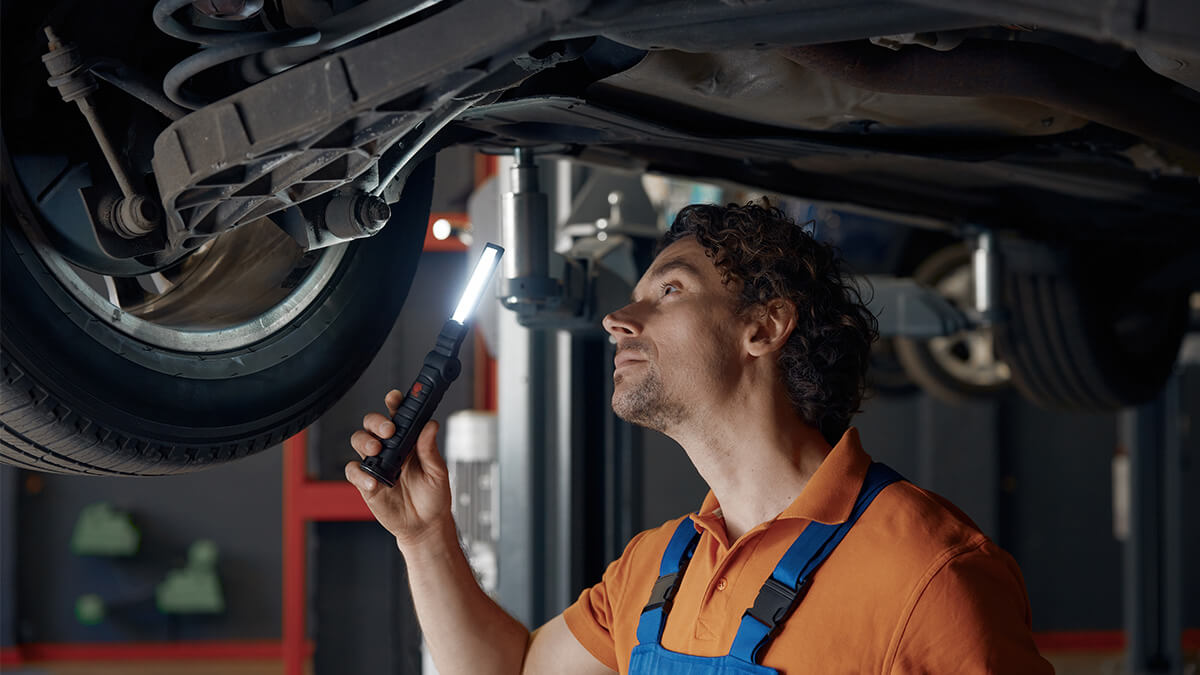
If you have been searching for a reliable brake check near me, our local technicians are here to help. A professional evaluation of your stopping system is the best first step when something feels off. We remove the wheels, physically measure key components, and identify the source of the problem so the recommended service strictly matches the current mechanical condition of your vehicle.
CALL NOWCALL NOW
Car Alignment Repair in Chicago, IL


Vehicles We Service in Chicago, IL

Whether you drive a reliable daily commuter or a high-performance luxury car, our certified technicians in Chicago, IL, have the expertise and specialized tools to get the job done right. Check the list below to see the major domestic and import makes we service:
BMW
Audi
Mercedes
Porsche
Volkswagen
Land Rover
Lexus
Acura
Infiniti
Toyota
Nissan
Honda
Cadillac
Chevrolet
Ford
Dodge
Ram
Jeep
Hyundai
Subaru
Mazda
Kia
MINI
Chrysler
Jaguar
Volvo
Lamborghini
Aston Martin
Ferrari
Tesla


Service quality we stand behind

like icon
10+ years
in business
money icon
12 month
warranty on labor
certificate icon
ASE-Certified
Technitians
car icon
All makes
and models

4.7

Trusted by Chicago drivers since 2011

United Tires started as a single tire shop on the Northwest Side and has grown to multiple locations across the city and suburbs. The core team hasn't changed much, most of our senior techs have been here over a decade. We work on everything from daily drivers to fleet vehicles and classic restorations, and we stand behind every repair with a 12-month warranty on parts and labor.


Request a quote

Tell us more about your issue and get a free consultation

CALL NOW


Signs You Need to Have Your Brakes Checked

Brake systems are designed to warn you when they need attention. If you experience any of these common symptoms during your daily commute, it is time to bring your vehicle in for a thorough physical evaluation:
  • Squeaking or Squealing: A sharp, high-pitched noise when stopping is usually the built-in "wear indicator" scraping against the rotor to tell you your pads are critically low.
  • Harsh Metal Grinding: If the squealing has turned into a deep, metallic grind, your friction material is completely gone and the steel backing is damaging your rotors.
  • Vibration or Shaking: If your steering wheel shakes or the pedal throbs under your foot when slowing down from highway speeds, your rotors are likely warped or unevenly worn.
  • Spongy or Soft Pedal: If your brake pedal feels squishy, goes too far toward the floor, or requires you to "pump" it to stop, you likely have air or moisture in your hydraulic lines.
  • Pulling to One Side: If the car jerks to the left or right when you slow down, you may have a seized caliper or a collapsed flexible hose.


What Does Our Brake Inspection Include?
Brake Inspection
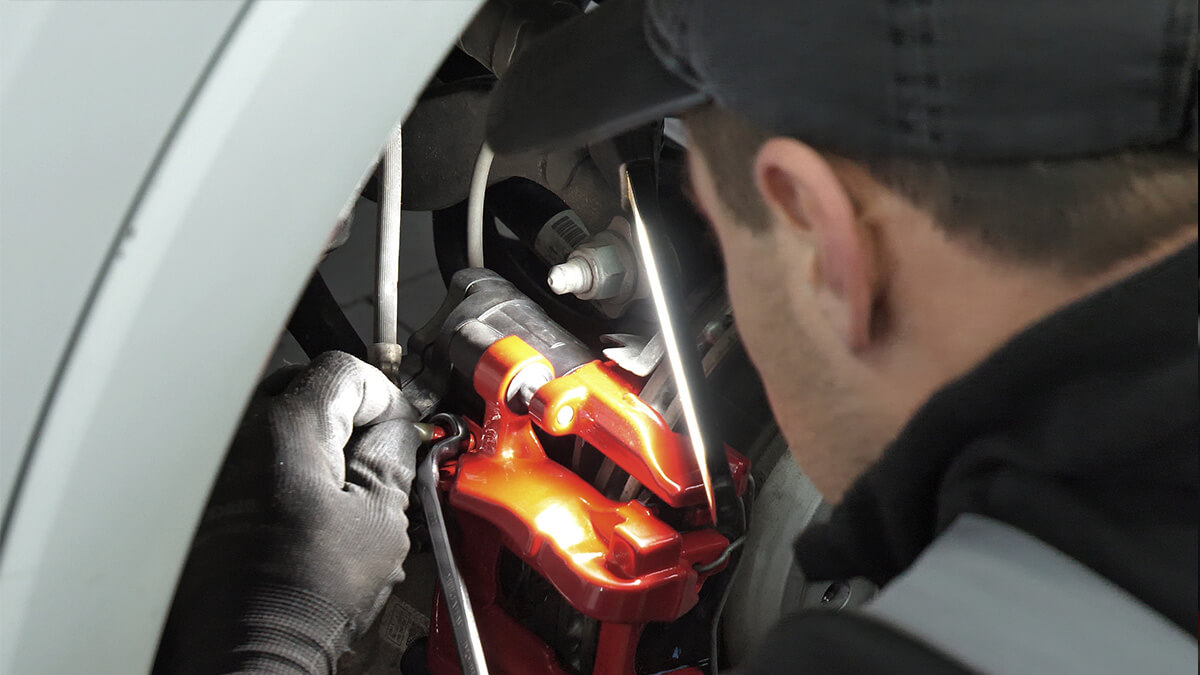
To identify the cause of your brake concern, we perform the inspection procedures reasonably necessary based on your vehicle’s symptoms and condition. This may include getting the vehicle on a lift, removing the wheels, and carrying out hands-on mechanical and hydraulic checks to the extent required to establish the source of the problem.
Brake Pad Measurement: We measure front and rear pad thickness as needed to evaluate remaining brake material and determine whether wear is contributing to the concern.
Rotor Condition Check: We inspect the rotors for grooves, heat spotting, cracking, and possible warping, and compare measurements to manufacturer service limits when necessary.
Caliper & Hardware Inspection: We check caliper operation, slide pin movement, and related hardware conditions where required to determine whether sticking or uneven braking is present.
Hydraulic System Evaluation: We inspect visible brake hoses, check for signs of leaks, and assess hydraulic system condition as needed to help identify the cause of the issue.

Clear Findings and Professional Recommendations

The purpose of our evaluation is to determine the current condition of your braking system and identify which components require service. Once the assessment is complete, we outline the exact repair options that correspond to the physical issues present on the vehicle.

Brake Pad Replacement

Brake pads provide the friction required to slow the vehicle by clamping down on the spinning rotors. When this material wears down to the steel backing plate, stopping power drops significantly and harsh metal-on-metal grinding occurs. Replacing worn pads restores quiet operation, eliminates grinding, and brings stopping distances back to safe factory specifications.

Brake Rotor Replacement

Rotors are the heavy metal discs that absorb the immense heat generated during a stop. Over time, this extreme heat and friction can cause the metal to warp, develop deep grooves, or wear below safe thickness limits, which causes the steering wheel to shake violently when stopping. Installing new, perfectly flat rotors eliminates these vibrations, protects your new brake pads, and ensures a smooth, predictable stop.

Brake Fluid Flush

Hydraulic brake fluid transmits the force from your foot on the pedal directly to the wheels. Because this fluid naturally absorbs atmospheric moisture over time, its boiling point drops, which can cause the brake pedal to feel dangerously soft or sink to the floor during heavy braking. Flushing out the contaminated fluid and replacing it with fresh hydraulic fluid restores a firm, highly responsive brake pedal.

Brake Bleed Service

A sealed hydraulic system requires absolute pressure to function safely. If air bubbles become trapped inside the brake lines due to a leak or a failing component, the pedal will feel spongy and weak because air compresses while fluid does not. A professional brake bleed carefully extracts these air pockets from the lines, restoring solid hydraulic pressure and immediate braking response.

Brake Caliper Replacement

Calipers are the hydraulic clamps that squeeze the pads against the rotor when you press the pedal. Winter road salt and excessive heat can cause the internal pistons or slide pins to permanently seize, which often makes the vehicle pull aggressively to one side and causes the affected wheel to overheat. Replacing a seized caliper allows the pads to engage and release smoothly, ensuring straight, balanced braking and preventing premature pad wear.

Why Catching Wear Early Matters

Stopping problems are usually much less expensive to address when they are identified early. A worn pad caught at the right time may be a straightforward service, while the same issue left unattended can quickly score the rotors, overheat surrounding components, and lead to a much broader repair. A timely assessment helps define the condition of the system before the problem becomes more serious and more costly.

The Responsibility of Driving on Unsafe Brakes

Operating a vehicle with compromised stopping power is not just a maintenance issue; it can also create serious legal exposure after a collision. Illinois drivers are legally responsible for keeping their vehicles in safe working condition, and braking performance is one of the most important parts of that duty. If worn or damaged components increase your stopping distance and contribute to a crash, that neglected condition can become a major factor in insurance disputes, repair liability, and personal injury claims.


Frequently Asked Questions (FAQ)

Do you offer a basic brake check?
Yes. We inspect the condition of the pads, rotors, calipers, and hydraulic components to determine whether service is needed and, if so, which service is appropriate. That gives you a clear mechanical basis for the next step.
How long does an evaluation take?
A proper, wheel-off assessment typically takes between 30 to 45 minutes. This gives our technicians enough time to remove the wheels, take exact micrometer measurements, visually inspect the hydraulic lines, and put the vehicle back together safely.
How often should I get my brakes inspected?
We recommend having the system visually assessed at every oil change, and getting a comprehensive wheel-off inspection at least once a year, or roughly every 12,000 to 15,000 miles. Because Chicago stop-and-go traffic puts heavy demand on friction materials, an annual look is an effective way to monitor wear.
Why is my dashboard warning light on?
The red "BRAKE" warning light on your dashboard usually indicates one of three things: your parking brake is currently engaged, your hydraulic fluid is low (often indicating heavily worn pads or a fluid leak), or there is a failure in the system. If this light stays on while driving, you should have your vehicle evaluated immediately.
Can bad weather make my wheels squeak?
Yes. It is very common in Chicago to hear a brief scraping or squeaking noise first thing in the morning, especially after rain, snow, or high humidity. This is usually just a thin layer of surface condensation and rust on the rotors being scraped off. If the noise goes away after your first few stops, it is a normal atmospheric occurrence. If the noise continues all day, it is time for a professional look.
Where can I get a brake inspection near me in Chicago?
Yes, you can get your brake system inspected at Utires service locations: 2720 W Grand Ave, Chicago, IL 60612 and 3613 N Harlem Ave, Chicago, IL 60634. Our technicians provide thorough brake checks, diagnostics, and brake system inspections.


Stop Guessing and Start Driving Safely

Don't let a mystery squeal or a soft pedal ruin your confidence behind the wheel. Getting to the bottom of your stopping issue is a straightforward, professional process.


Need a Professional Opinion?

Our local Chicago mechanics provide thorough evaluations to identify the cause of your problem and recommend the appropriate repair based on the physical condition of the system. That means a professional diagnosis, clear next steps, and safe, dependable performance.
CALL US AT +1-312-212-0546


Related Services